
Introduction
The landscape of employment authorization in the United States continues to evolve as immigration policies adapt to economic demands, workforce shortages, and administrative priorities. Recent us immigration work permit changes have attracted significant attention from immigrants, employers, legal professionals, and policymakers alike. These developments affect how individuals apply for work authorization, renew permits, and maintain legal employment status while navigating the immigration system.
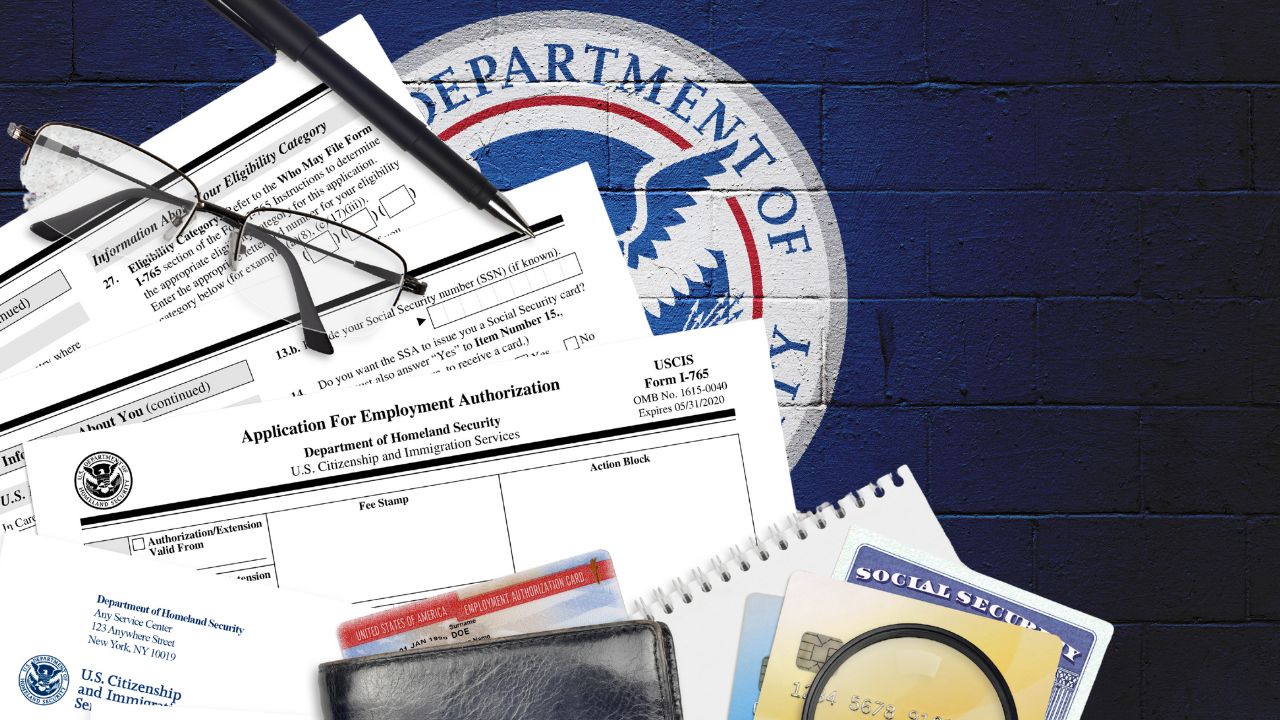
For many immigrants, a work permit—officially known as an Employment Authorization Document (EAD)—represents more than just permission to work. It provides financial stability, career opportunities, and the ability to support families while pursuing long-term immigration goals. As a result, understanding current us immigration work permit changes has become increasingly important for applicants across various immigration categories.
In recent years, federal agencies have implemented several updates aimed at reducing processing delays, improving efficiency, and addressing growing application backlogs. While some changes have expanded opportunities for certain groups, others have introduced new requirements and procedural considerations that applicants must understand carefully.
Understanding Employment Authorization in the United States
An Employment Authorization Document allows eligible non-citizens to work legally in the United States for a specific period. Work permits are commonly issued to asylum applicants, adjustment-of-status applicants, Temporary Protected Status beneficiaries, certain students, spouses of visa holders, and other qualifying individuals.
The purpose of employment authorization is to ensure that individuals who are legally present or awaiting immigration decisions can participate in the workforce. The latest us immigration work permit changes focus largely on streamlining these processes and helping eligible applicants avoid interruptions in employment caused by lengthy government processing times.
As immigration policies continue to evolve, applicants should pay close attention to eligibility criteria, renewal procedures, and documentation requirements to avoid complications that could affect their ability to work legally.
Major US Immigration Work Permit Changes in Recent Years
Expanded Automatic Extensions
One of the most significant us immigration work permit changes involves automatic extensions for certain EAD holders who file timely renewal applications. This measure was introduced to address substantial processing delays that left many workers at risk of losing employment authorization while waiting for renewal decisions.
The expanded extension period provides greater employment continuity for eligible individuals. Instead of facing immediate work interruptions when their permits expire, qualifying applicants may continue working while their renewal applications remain pending. This change has benefited thousands of workers and employers struggling with staffing uncertainties.
Efforts to Reduce Processing Backlogs
Government agencies have also prioritized reducing application backlogs through modernization efforts and operational improvements. Increased staffing, digital processing initiatives, and revised adjudication procedures have helped improve efficiency in some categories.
Although processing times still vary considerably depending on case type and application volume, these efforts represent an important step toward making employment authorization more accessible. Applicants are encouraged to submit complete applications and respond promptly to any agency requests to help avoid unnecessary delays.
Categories Most Affected by Work Permit Changes
Different immigrant groups experience the impact of us immigration work permit changes in different ways. Some categories have seen expanded benefits, while others continue to face complex procedural requirements.
Asylum Applicants
Individuals seeking asylum often rely heavily on employment authorization while their cases are pending. Changes affecting application timelines and eligibility requirements can significantly influence their ability to support themselves and their families.
Recent administrative efforts have sought to improve processing efficiency for asylum-related work authorization requests. However, applicants must still comply with waiting periods and filing requirements established under current regulations.
Adjustment of Status Applicants
People applying for permanent residence through family or employment sponsorship frequently request work permits while waiting for green card decisions. Updated processing strategies have helped some applicants receive employment authorization more quickly than in previous years.
The continued emphasis on reducing delays remains a key component of current us immigration work permit changes, particularly for adjustment-of-status applicants facing extended case processing times.
Temporary Protected Status Beneficiaries
Temporary Protected Status holders often receive employment authorization as part of their immigration benefits. Policy updates affecting TPS designations can influence both eligibility and work permit validity periods, making it essential for beneficiaries to monitor government announcements closely.
Key Changes and Their Impact
| Change Area | Purpose | Impact on Applicants |
|---|---|---|
| Automatic EAD Extensions | Reduce employment interruptions | Allows eligible workers to continue working during renewals |
| Backlog Reduction Efforts | Improve processing efficiency | Faster adjudication in some categories |
| Digital Processing Expansion | Modernize immigration services | Easier application management and tracking |
| Staffing Increases | Handle growing caseloads | Improved service capacity |
| Updated Policy Guidance | Clarify eligibility standards | Greater consistency in decision-making |
The table highlights how recent reforms seek to balance immigration administration needs with workforce stability. While outcomes vary depending on category and individual circumstances, many applicants have benefited from these improvements.
How Employers Are Affected
Employers play a critical role in maintaining compliance with federal employment verification requirements. Recent us immigration work permit changes have required businesses to stay informed about extension rules, document validity periods, and updated guidance regarding employment authorization verification.
Human resources departments must carefully review employee documentation and understand how automatic extensions apply. Failure to recognize valid extension periods could result in unnecessary employment disruptions or compliance concerns.
At the same time, employers facing labor shortages often welcome measures that help authorized workers remain employed without interruptions. Maintaining workforce stability benefits both businesses and employees, particularly in industries that depend heavily on immigrant labor.
Important Considerations for Applicants
When navigating current work permit policies, applicants should keep several important factors in mind:
- File renewal applications as early as regulations allow.
- Maintain copies of all immigration and employment documents.
- Monitor case status regularly through official government channels.
- Respond quickly to requests for additional evidence.
These practical steps can help reduce delays and improve the likelihood of a smooth application process. Given ongoing us immigration work permit changes, staying organized and informed is more important than ever.
Challenges That Still Remain
Despite positive developments, significant challenges continue to affect the employment authorization system. Processing times remain inconsistent across different categories, and application volumes continue to place pressure on immigration agencies.
Many applicants experience uncertainty while waiting for decisions, particularly when employment opportunities depend on timely permit approvals. Employers also face administrative burdens associated with monitoring document expiration dates and compliance requirements.
Furthermore, policy shifts resulting from changing administrations can create uncertainty about future rules and procedures. Individuals relying on employment authorization should remain attentive to official announcements and seek professional guidance when necessary.
Future Outlook for Work Permit Policies
Continued Modernization Efforts
The future of us immigration work permit changes will likely include additional digital modernization initiatives. Immigration agencies continue investing in technology designed to improve application processing, reduce paperwork, and enhance communication with applicants.
Electronic filing systems, automated workflows, and expanded online services may contribute to more efficient case management over time. While these improvements may not eliminate all delays, they represent an important part of broader immigration reform efforts.
Potential Legislative Developments
Congress may also consider immigration-related legislation that affects employment authorization eligibility and procedures. While predicting future policy outcomes remains difficult, lawmakers continue debating reforms aimed at addressing workforce needs, border management, and immigration system modernization.
Applicants should recognize that legislative proposals can change significantly before becoming law. Therefore, relying on verified information rather than speculation is essential when evaluating future developments.
Practical Tips for Navigating Work Permit Changes
The evolving nature of immigration policy means applicants should adopt a proactive approach. Consider the following best practices:
- Track expiration dates carefully and plan renewals well in advance.
- Keep personal information updated with immigration authorities.
- Save copies of receipts, approval notices, and correspondence.
- Stay informed about policy announcements affecting your category.
- Consult qualified immigration professionals when facing complex situations.
These strategies can help individuals adapt to ongoing us immigration work permit changes while minimizing disruptions to employment and immigration plans.
FAQs
What is an Employment Authorization Document (EAD)?
An Employment Authorization Document is an official permit that allows eligible non-citizens to work legally in the United States for a specified period. It is commonly issued to asylum applicants, adjustment-of-status applicants, TPS beneficiaries, and other qualifying individuals.
Who benefits most from recent US immigration work permit changes?
Many groups benefit, including asylum applicants, green card applicants, TPS holders, and certain visa-dependent spouses. Expanded automatic extensions and backlog reduction efforts have been particularly helpful for individuals facing renewal delays.
Can I continue working if my work permit expires while a renewal is pending?
In many cases, eligible applicants may qualify for automatic extensions if they file renewal applications on time and meet specific requirements. The exact extension period depends on current regulations and eligibility categories.
Have processing times improved recently?
Government agencies have implemented measures to reduce backlogs and improve efficiency. While improvements have occurred in some categories, processing times still vary depending on application type, workload, and individual circumstances.
How early should I renew my work permit?
Applicants should generally file as early as regulations permit. Early filing helps reduce the risk of employment interruptions and provides additional time to address any unexpected issues during processing.
Will future immigration policies affect work permit rules?
Yes. Immigration regulations can change through administrative actions, policy updates, or legislative reforms. Applicants should monitor official announcements to stay informed about future developments affecting employment authorization.
Conclusion
Recent us immigration work permit changes reflect ongoing efforts to improve efficiency, reduce backlogs, and provide greater stability for authorized workers throughout the immigration process. Expanded automatic extensions, modernization initiatives, and operational improvements have helped many applicants avoid employment disruptions while waiting for decisions.
However, challenges remain, including variable processing times and the potential for future policy adjustments. Understanding current rules, filing applications on time, maintaining proper documentation, and staying informed about regulatory developments are essential steps for anyone relying on employment authorization in the United States.
As immigration policies continue to evolve, applicants and employers alike should remain proactive and informed. By understanding the latest us immigration work permit changes, individuals can better navigate the system and protect their ability to work legally while pursuing their long-term immigration goals.
Read More:-O’Hare Airport Immigration Detention: Key Facts for Travelers