Introduction
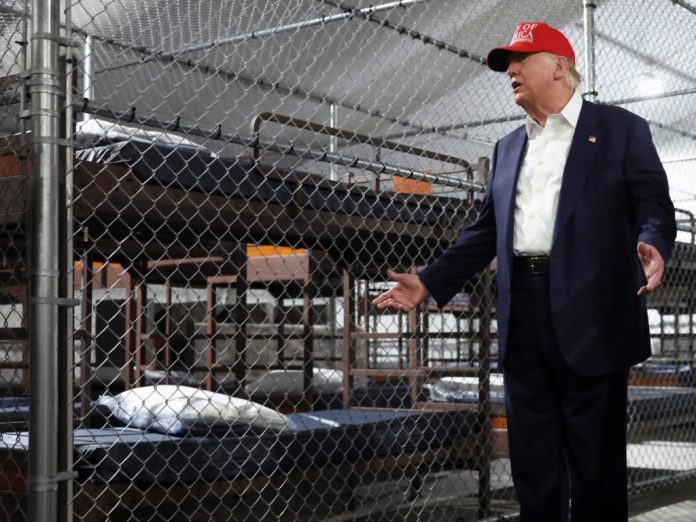
Immigration enforcement has become a major legal and political issue across the United States, and Florida has emerged as one of the states taking a particularly active role in immigration-related enforcement. As state and federal authorities increase scrutiny of immigration status, concerns have also grown regarding florida wrongful immigration charges and their impact on individuals, families, and communities.
Wrongful immigration charges can occur when a person is mistakenly accused of violating immigration laws, providing false information, or engaging in unlawful activities related to immigration status. These situations can lead to serious consequences, including detention, legal expenses, employment loss, and emotional distress. In some cases, U.S. citizens and lawful residents have also faced mistaken accusations due to administrative errors, identity confusion, or inaccurate records.
Understanding how these cases arise, the legal protections available, and the current enforcement environment in Florida is essential for anyone affected by immigration proceedings. This article explores the issue in detail while examining recent trends and legal considerations.
Understanding Wrongful Immigration Charges
Wrongful immigration charges refer to situations in which an individual is accused of violating immigration laws without sufficient evidence or due to mistakes in the enforcement process. These allegations may involve claims of unlawful presence, document fraud, employment violations, or misrepresentation during immigration applications.
In Florida, immigration enforcement often involves cooperation between state and federal agencies. While this coordination aims to improve compliance with immigration laws, it can sometimes result in errors that affect innocent individuals. Administrative mistakes, outdated databases, language barriers, and identity theft are among the common factors that contribute to wrongful accusations.
The consequences of such allegations can be severe. Even if charges are ultimately dismissed, affected individuals may spend weeks or months addressing legal issues, attending hearings, and dealing with uncertainty regarding their immigration status.
Why Florida Has Seen Increased Immigration Enforcement
Florida has implemented several policies designed to strengthen immigration enforcement. These measures have increased interactions between law enforcement agencies and immigration authorities, leading to a greater number of investigations and arrests.
As enforcement efforts expand, legal experts have raised concerns about the possibility of florida wrongful immigration charges affecting individuals who have legal status or who are incorrectly identified as immigration violators. Increased enforcement activity naturally increases the risk of administrative errors, especially when agencies process large volumes of cases.
The state’s approach reflects broader national debates about border security, workforce compliance, and public safety. However, balancing enforcement objectives with individual rights remains an ongoing challenge.
Common Causes of Wrongful Immigration Charges
Administrative Errors
Government agencies manage extensive immigration records involving millions of individuals. Data entry mistakes, outdated information, or incorrect file matching can sometimes trigger wrongful allegations.
For example, a person who has legally adjusted status may still appear in a database under a previous immigration classification. Such discrepancies can create confusion during enforcement actions.
Identity Theft and Fraud
Identity theft has become a growing concern in immigration cases. When another individual uses someone else’s personal information, authorities may mistakenly associate unlawful conduct with the wrong person.
Victims often face significant difficulties proving their innocence, especially when fraudulent documents have been used over an extended period.
Misinterpretation of Documents
Immigration law is highly complex. Officers, employers, or even applicants may misunderstand visa categories, work authorization requirements, or residency documentation. These misunderstandings can lead to allegations that later prove unfounded.
Language and Communication Barriers
Many immigrants communicate primarily in languages other than English. Miscommunication during interviews, applications, or interactions with law enforcement can contribute to inaccurate conclusions and potential charges.
Types of Allegations Often Associated With Wrongful Cases
The following allegations are commonly involved in cases where individuals later claim they were wrongly accused:
- Unlawful presence in the United States
- Employment authorization violations
- False statements on immigration applications
- Document fraud allegations
- Failure to comply with immigration reporting requirements
Not every allegation results in a valid legal case. Courts and immigration authorities frequently review evidence to determine whether the charges are supported by facts.

Legal Consequences of Wrongful Immigration Charges
Even when accusations are incorrect, the effects can be immediate and disruptive. Individuals may be detained while authorities investigate their status. Families can face separation, and employers may terminate workers due to uncertainty regarding legal authorization.
Financial consequences are also substantial. Legal representation, court appearances, document collection, and lost wages can place significant strain on affected individuals. In severe cases, people may experience damage to their professional reputation and mental well-being.
The impact is often amplified for immigrants who fear that any interaction with authorities could affect future applications for visas, permanent residence, or citizenship. This concern makes florida wrongful immigration charges particularly stressful for those involved.
Rights Available to Individuals Facing Immigration Allegations
Anyone accused of immigration-related violations has important legal rights that must be respected throughout the process.
| Legal Right | Description |
|---|---|
| Right to Due Process | Individuals have the right to fair legal proceedings before adverse decisions are made. |
| Right to Legal Representation | Individuals may hire an attorney to represent them during immigration proceedings. |
| Right to Present Evidence | Evidence supporting lawful status or innocence may be submitted. |
| Right to Appeal Decisions | Certain immigration decisions may be challenged through appeals. |
| Protection Against Unlawful Searches | Constitutional protections may apply depending on the circumstances. |
Understanding these rights is critical because they provide opportunities to challenge inaccurate allegations and correct administrative mistakes.
How Attorneys Defend Against Wrongful Immigration Charges
Immigration attorneys play a crucial role in identifying weaknesses in allegations and presenting evidence that supports their clients’ cases. Defense strategies often involve obtaining official records, reviewing procedural errors, and verifying identity information.
Lawyers may also challenge evidence that was collected improperly or demonstrate that government databases contain inaccurate information. In some situations, expert witnesses and document specialists help establish the legitimacy of immigration records.
Because immigration law frequently intersects with criminal law, employment law, and constitutional rights, legal representation can significantly influence the outcome of a case involving florida wrongful immigration charges.
The Role of Evidence in Immigration Proceedings
Evidence is often the deciding factor in immigration cases. Authorities typically rely on documents, interviews, employment records, travel histories, and government databases when evaluating allegations.
Individuals accused of violations should preserve important records, including:
- Passports and travel documents
- Immigration approvals and notices
- Employment authorization records
- Tax filings and identification documents
- Correspondence from immigration agencies
Accurate documentation can help establish lawful presence and counter mistaken allegations. In many cases, strong evidence leads to the dismissal of charges that initially appeared serious.
Impact on Families and Communities
The effects of wrongful immigration allegations extend beyond the individual involved. Families may experience emotional stress, financial hardship, and uncertainty regarding future residency status.
Children are often among the most affected. When a parent faces detention or legal proceedings, household stability can be disrupted. Educational performance, mental health, and overall family well-being may suffer during lengthy legal battles.
Communities can also experience broader consequences. Fear of enforcement actions may discourage individuals from reporting crimes, seeking medical assistance, or participating in public programs. As discussions surrounding florida wrongful immigration charges continue, community advocates emphasize the importance of maintaining trust between residents and public institutions.
Recent Trends in Florida Immigration Enforcement
Recent years have seen increased attention on immigration enforcement initiatives throughout Florida. State policies have encouraged closer coordination between local law enforcement agencies and federal immigration authorities.
Supporters argue that these measures enhance public safety and ensure compliance with immigration laws. Critics contend that aggressive enforcement can increase the likelihood of mistakes, leading to wrongful accusations and legal disputes.
Legal organizations continue monitoring cases involving alleged procedural errors, mistaken identity, and improper detention. These developments have intensified discussions about accountability, transparency, and safeguards designed to prevent florida wrongful immigration charges.
Preventing Wrongful Immigration Accusations
While individuals cannot eliminate every risk, several proactive steps may help reduce the likelihood of immigration-related misunderstandings.
Maintaining organized records is one of the most effective precautions. Individuals should keep copies of immigration applications, approvals, employment authorizations, and identification documents in secure locations. Accurate records can quickly resolve questions regarding status and eligibility.
Regularly reviewing immigration documents for accuracy is equally important. Errors in names, dates, or identification numbers should be corrected as soon as possible. Seeking legal guidance when submitting applications can also help prevent misunderstandings that may later lead to allegations.
Education remains another valuable tool. Understanding immigration obligations, reporting requirements, and employment rules can reduce the chances of accidental noncompliance.
Frequently Asked Questions
What are Florida wrongful immigration charges?
Florida wrongful immigration charges refer to immigration-related allegations that are inaccurate, unsupported by evidence, or based on administrative mistakes. These charges may involve mistaken identity, database errors, or misunderstandings regarding immigration status.
Can a U.S. citizen face wrongful immigration allegations?
Yes. Although uncommon, U.S. citizens have occasionally faced immigration-related questioning or detention due to clerical errors, identity confusion, or incorrect government records. Such situations typically require documentation to verify citizenship.
What should someone do if they are wrongly accused?
Anyone facing immigration allegations should gather relevant documents, avoid making uninformed statements, and seek legal representation as soon as possible. An attorney can review the case and help challenge inaccurate claims.
Can wrongful immigration charges be dismissed?
Yes. If evidence demonstrates that the allegations are incorrect or unsupported, immigration authorities or courts may dismiss the charges. The outcome depends on the facts and documentation available.
How long can immigration disputes last?
The duration varies significantly. Some cases are resolved within weeks, while others may continue for months or even years depending on legal complexity, appeals, and court schedules.
Why are these cases receiving increased attention?
The issue has gained visibility due to heightened immigration enforcement efforts, public policy debates, and reports of administrative errors that have affected individuals facing florida wrongful immigration charges.
Conclusion
The issue of florida wrongful immigration charges highlights the challenges of enforcing complex immigration laws while protecting individual rights. Although authorities seek to ensure compliance with legal requirements, mistakes can occur through administrative errors, identity confusion, document misunderstandings, and communication barriers.
For affected individuals, the consequences can be serious, impacting employment, family stability, finances, and future immigration opportunities. Understanding legal rights, maintaining accurate records, and obtaining qualified legal assistance are essential steps when responding to immigration allegations.
As Florida continues to play a prominent role in immigration enforcement discussions, ensuring fairness, accuracy, and due process remains critical. Effective safeguards and transparent procedures can help reduce wrongful accusations while maintaining confidence in the legal system.