Introduction
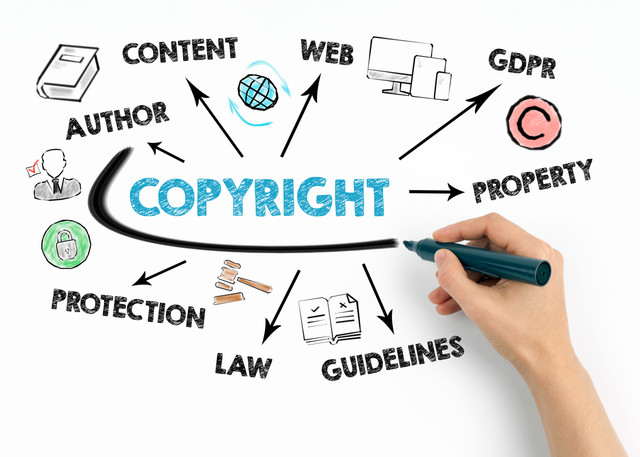
Copyright is an important form of legal protection that helps creators maintain control over their original work. Whether someone writes articles, takes photographs, produces videos, composes music, designs graphics, develops software, or creates educational content, copyright can help protect the expression of their ideas. It also establishes rules for how other people may copy, distribute, publish, adapt, or commercially use that material.
In today’s digital environment, creative content can be shared across websites, social media platforms, online publications, and streaming services within seconds. Although this accessibility makes information easier to discover, it also increases the possibility of unauthorized copying. Understanding copyright helps creators protect their work and enables readers, businesses, students, and website owners to respect the rights of others.
Learning the basic principles of copyright does not require a legal background. By understanding what copyright protects, how ownership works, and when permission is necessary, individuals can make better decisions when creating and sharing content online.
What Is Copyright?
Copyright is a legal right that protects original creative expression. It generally gives the copyright owner certain exclusive rights over how the protected work is reproduced, distributed, displayed, performed, or adapted, subject to applicable laws and exceptions.
Copyright does not ordinarily protect an idea, fact, method, or general concept by itself. Instead, it protects the particular way an idea is expressed. For example, several writers can explain the same historical event, but their original articles may receive separate copyright protection because each uses its own wording, organization, and presentation.
Copyright protection can apply to many forms of creative work, including:
- Blog posts, articles, books, and written guides.
- Photographs, illustrations, paintings, and digital artwork.
- Music, song recordings, and audiovisual productions.
- Films, educational videos, and original animations.
- Computer programs and certain digital content.
- Architectural designs and other eligible creative works.
The precise scope of protection depends on the applicable law and the type of work involved.
Why Copyright Matters in the Digital World
Copyright supports creativity by recognizing that producing original material often requires time, knowledge, equipment, and effort. When creators can control important uses of their work, they may have better opportunities to earn income, establish professional recognition, and develop sustainable creative businesses.
For website owners, copyright is particularly relevant. Publishing copied articles, images, or videos without appropriate authorization can create legal risks and damage a website’s reputation. Original content also helps publishers establish a recognizable voice and provide readers with information that reflects their own research and expertise.
Copyright awareness benefits audiences as well. Respecting creative ownership encourages responsible sharing and helps readers distinguish between legitimate content use and unauthorized reproduction.
Businesses must consider copyright when preparing advertisements, presentations, training materials, websites, product packaging, and promotional campaigns. Using an image or design simply because it appears in search results does not automatically make that material free to use.
What Types of Work Can Copyright Protect?
Copyright protection covers a broad range of original creative expression, although eligibility requirements vary by jurisdiction.
Literary works: Books, articles, essays, website copy, reports, and other original written materials may qualify for protection.
Visual works: Photographs, illustrations, paintings, diagrams, and graphic designs can be protected when they meet the relevant legal requirements.
Musical works: Original musical compositions and lyrics may receive protection. Sound recordings can also have separate rights.
Audiovisual works: Films, documentaries, advertisements, and online videos can contain multiple layers of copyright ownership.
Software: Eligible computer programs may be protected as literary works, although copyright does not automatically cover every underlying function or idea.
Educational materials: Original lesson plans, presentations, worksheets, and explanatory content may qualify for protection.
A single project can contain several separately protected elements. For instance, a promotional video might include a script, original footage, background music, illustrations, and narration. Each element may have a different owner or licensing arrangement.
How Does Copyright Protection Work?
In many countries, copyright protection begins automatically when an original work is created and recorded in a sufficiently tangible form, such as a written document, saved photograph, or recorded song. Registration is not universally required for protection to exist, although it may provide important legal advantages in certain jurisdictions.
Creators should understand the difference between ownership and registration. Creating and saving an original article may establish copyright protection under applicable law, while registering the work may create an official record and help with particular enforcement procedures.
Copyright ownership can belong to the creator, an employer, a commissioning party, or another person or organization, depending on local legislation and contractual arrangements.
For example, a freelance designer might retain ownership of a graphic unless the contract transfers copyright or establishes different terms. A company employee creating material as part of their job may face different ownership rules.
Clear agreements are especially important when several people collaborate on a project.
Copyright Rules for Website Owners and Bloggers
Website owners frequently use written content, photographs, icons, videos, and other digital assets. Understanding copyright can help them avoid unnecessary disputes and maintain responsible publishing practices.
The safest approach is to create original material or obtain permission to use content owned by someone else.
Before publishing third-party material, consider these steps:
- Identify the original creator or rights holder.
- Review the license and its conditions.
- Confirm whether commercial use is permitted.
- Check whether attribution is required.
- Verify whether editing, cropping, or adaptation is allowed.
- Keep records of permissions, receipts, and license terms.
Copying an article and changing a few words does not automatically make it original. Similarly, removing a watermark or credit line does not eliminate the creator’s rights.
Website owners should also remember that search engines display material from many sources without granting permission to reproduce it. When in doubt, use properly licensed resources or create suitable alternatives.
Copyright and Fair Use: Understanding the Difference
Fair use is a legal doctrine in the United States that may permit certain uses of copyrighted material without permission. It can apply to purposes such as criticism, commentary, teaching, scholarship, or research, depending on the circumstances.
Fair use is not an automatic exemption simply because someone is using content for educational purposes or giving credit to its creator. Courts consider several factors, including the purpose of the use, the nature of the original work, the amount used, and the effect on the potential market for that work.
Other countries may apply different exceptions, including fair dealing or specific statutory permissions. Therefore, a rule that applies in one jurisdiction may not apply in another.
For example, quoting a short passage to critically review an article may receive different treatment from reproducing the entire article on another website. The context, amount copied, and applicable law all matter.
When a planned use falls outside a clear legal exception, obtaining permission is often the more reliable option.
Copyright, Public Domain, and Creative Commons
Understanding different content-use categories helps creators choose suitable material for their projects.
| Content category | Meaning | Important consideration |
|---|---|---|
| Copyrighted work | Protected creative material | Permission may be required |
| Public domain | Material not protected by copyright or whose relevant protection has expired or been waived where legally effective | Confirm its status in the relevant jurisdiction |
| Creative Commons | Material offered under a specific public license | Follow the license conditions |
| Royalty-free content | Content licensed under terms that may eliminate recurring royalties | A license is still required and may contain restrictions |
| Original commissioned work | Material created for a client | Ownership depends on the contract and applicable law |
Creative Commons licenses can allow people to share or adapt content under specified conditions. Some require attribution, while others restrict commercial use or the distribution of modified versions.
Royalty-free does not necessarily mean copyright-free. It usually describes a licensing arrangement in which permitted use does not require repeated royalty payments. Users must still follow the applicable agreement.
Always review the actual license rather than relying on a label alone.
How to Protect Your Original Content
Creators can take practical steps to strengthen their copyright management and make unauthorized use easier to identify.
First, maintain organized records of original files, drafts, publication dates, and project correspondence. These records may help establish how and when material was created.
Second, consider adding a copyright notice to websites, documents, photographs, and other appropriate materials. A notice can communicate ownership, although it does not replace legal protection or guarantee that infringement will not occur.
Third, use contracts when working with freelancers, clients, publishers, photographers, or business partners. Agreements should explain ownership, permitted uses, payment terms, and any transfer of rights.
Fourth, monitor important content periodically. Reverse image search, search engine queries, and platform reporting tools can help identify potentially unauthorized copies.
If infringement occurs, preserve relevant evidence before contacting the person responsible or submitting a complaint. Depending on the circumstances, possible responses include requesting removal, negotiating a license, sending a formal notice, or seeking legal advice.
Common Copyright Mistakes to Avoid
Many copyright problems arise from assumptions rather than deliberate attempts to violate the law.
One common mistake is believing that content becomes free to use when it is publicly accessible. Public visibility does not automatically grant reproduction rights.
Another mistake is assuming that attribution makes every use lawful. Giving credit can satisfy a license condition, but it does not replace permission when permission is otherwise required.
Some users believe that changing an image’s size, adjusting its colors, translating an article, or rewriting sentences eliminates copyright concerns. However, adaptations can still involve protected expression.
Businesses may also overlook music rights when publishing videos. Permission to use a recording may not include permission to use the underlying musical composition.
Avoid these problems by checking ownership, reading license terms, creating original material, and obtaining legal guidance for complicated situations.
Conclusion
Copyright plays an essential role in protecting creative work and encouraging responsible content sharing. It helps creators control important uses of their original expression while giving businesses, publishers, educators, and individuals a framework for using creative material lawfully.
Understanding copyright begins with recognizing that accessible content is not necessarily free content. Before publishing an article, downloading an image, incorporating music into a video, or adapting someone else’s work, check the ownership and applicable permissions.