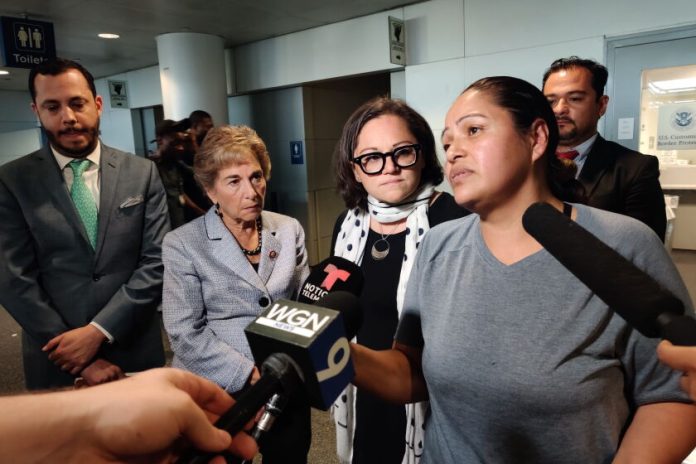
What is o’hare airport immigration detention?
It is the temporary holding of travelers at O’Hare Airport while immigration officials verify documents, visa status, or eligibility to enter the United States.
What should you do if detained at O’Hare Airport?
Remain calm, answer questions honestly, provide requested documents, and seek legal assistance if necessary.
How do you find immigration legal help?
Look for an immigration attorney with experience in airport detention, visa matters, and U.S. entry-related cases.
Introduction
Imagine arriving in the United States after a long international flight only to be stopped by immigration officials and escorted to a separate inspection area. For many travelers, this unexpected situation creates confusion, anxiety, and uncertainty about what happens next.
Immigration detention at major international airports has become an increasingly discussed topic in recent years. Chicago’s O’Hare International Airport serves millions of international passengers annually, making it one of the busiest entry points into the United States. While most travelers pass through immigration checkpoints without issues, some face additional scrutiny due to visa concerns, documentation problems, or security reviews.
Understanding the detention process, traveler rights, and potential outcomes is essential for visitors, students, workers, and family members entering the country. This guide explains the current realities surrounding airport immigration procedures and what individuals should know before traveling.
Quick Summary
- Immigration detention can occur due to visa, documentation, or admissibility concerns.
- Travelers may be placed in secondary inspection before any detention decision.
- Legal representation and proper documentation are important protections.
- Most cases are resolved within hours, though some may take longer.
Understanding O’Hare International Airport Immigration Procedures
O’Hare International Airport is one of the primary international gateways into the United States. Every arriving passenger must undergo inspection by immigration officers who verify identity, travel purpose, visa validity, and admissibility under federal immigration laws.
The majority of travelers complete the inspection process quickly. However, immigration authorities have the authority to conduct additional screening when questions arise regarding travel documents, immigration history, customs declarations, or security concerns. Secondary inspection is often the first step before any detention-related action occurs.
Travelers entering with student visas, work permits, tourist visas, permanent resident cards, or visa waiver authorizations may all be subject to additional review if inconsistencies are discovered.
O’Hare Airport Immigration Detention: What It Means
The term o’hare airport immigration detention generally refers to situations where an arriving traveler is held by immigration authorities while officers investigate eligibility for entry into the United States.
Detention does not automatically mean someone has committed a crime. In many cases, authorities simply need additional time to verify identity, review travel history, examine supporting documents, or determine whether the traveler meets admission requirements.
Individuals may be held in designated waiting areas while officers conduct interviews and review records. Depending on the circumstances, travelers may later be admitted, denied entry, or referred for further immigration proceedings.

Common Reasons Travelers Are Detained
Several factors may trigger additional immigration scrutiny at an airport.
| Reason for Review | Description |
|---|---|
| Visa Issues | Expired, incorrect, or questioned visa status |
| Documentation Problems | Missing supporting records or identification |
| Previous Immigration Violations | Prior overstays or removal orders |
| Security Concerns | Background checks requiring additional review |
| Inconsistent Statements | Conflicting information during inspection |
A traveler may encounter detention even when possessing valid travel documents if officers identify discrepancies that require clarification.
Statistics from federal transportation and border agencies show that millions of international passengers enter the United States annually, while only a small percentage are referred for intensive secondary inspections. Nevertheless, those affected often experience significant stress and uncertainty.
The Secondary Inspection Process
Secondary inspection is different from formal detention. Travelers are typically escorted to a separate area where officers conduct a more detailed review.
During this stage, officials may:
- Review passports and visas
- Examine travel history
- Verify employment or educational records
- Contact sponsors or family members
- Conduct additional interviews
The process may last from several minutes to multiple hours depending on the complexity of the case. Officers use this time to determine whether the traveler satisfies entry requirements under immigration law.
In many situations, travelers are ultimately admitted after the review is completed.
Legal Rights of Travelers
Even when facing detention or extensive questioning, travelers maintain certain legal protections.
Foreign nationals and lawful permanent residents may have different rights depending on their immigration status and circumstances. Individuals generally have the right to remain truthful, request clarification about procedures, and seek legal assistance when available.
Travelers should avoid signing documents they do not understand. If language barriers exist, requesting interpretation services can help ensure clear communication throughout the process.
Understanding these rights can reduce confusion and help travelers make informed decisions during interactions with immigration authorities.
Real-Life Example
Consider an international student returning to the United States after visiting family abroad. During inspection, officers notice discrepancies between the student’s enrollment records and travel history.
The student is referred to secondary inspection where officers verify university registration and visa status. After several hours of review and communication with the educational institution, authorities confirm compliance with immigration requirements and allow entry.
This example demonstrates that additional screening does not necessarily lead to removal or long-term detention. Many cases are resolved once officials receive the information they need.
Current Trends in Airport Immigration Enforcement
Recent years have seen increased emphasis on document verification, digital records analysis, and security screening at international airports. Immigration authorities now have access to more comprehensive databases and electronic travel information than ever before.
As a result, travelers are encouraged to ensure consistency between visa applications, employment records, educational documentation, and travel declarations. Even minor discrepancies can lead to additional questioning.
Experts estimate that documentation-related concerns remain among the most common reasons travelers are referred for extended inspection procedures.
Pros and Cons of Enhanced Immigration Screening
Pros
- Improved national security
- Better verification of immigration records
- Detection of fraudulent documentation
- Enhanced border management
Cons
- Potential travel delays
- Stress for legitimate travelers
- Extended waiting periods
- Communication challenges during review
What Happens After Detention?
Outcomes vary depending on the findings of immigration officers.
Some travelers are admitted immediately after concerns are resolved. Others may withdraw their application for admission and return to their departure country. In more serious situations involving immigration violations, authorities may initiate removal proceedings or transfer the individual to a detention facility outside the airport.
The specific outcome depends on immigration history, legal status, supporting evidence, and applicable laws.
Understanding potential scenarios helps travelers prepare for the process and seek appropriate assistance when necessary.
Expert Tips for International Travelers
- Carry complete and updated travel documents.
- Keep supporting records easily accessible.
- Ensure visa information matches travel purposes.
- Remain calm and cooperative during questioning.
- Save emergency contact information before departure.
Common Mistakes to Avoid
- Providing inaccurate information.
- Carrying outdated immigration documents.
- Ignoring previous immigration violations.
- Arguing aggressively with officers.
- Signing unfamiliar paperwork without review.
Who Should Understand This Process?
Anyone entering the United States through Chicago should understand how o’hare airport immigration detention situations may develop. This includes international students, business travelers, tourists, temporary workers, permanent residents, and family members visiting relatives.
Knowledge of immigration procedures can reduce anxiety and help travelers respond appropriately if additional screening occurs. Preparation is especially important for individuals with complicated travel histories or previous immigration issues.
FAQs
What causes o’hare airport immigration detention most often?
Common causes include visa discrepancies, documentation concerns, prior immigration violations, or unresolved admissibility questions.
Are permanent residents subject to additional inspection?
Yes. Lawful permanent residents may also be referred to secondary inspection when questions arise regarding travel history or immigration status.
Can travelers use their phones during detention?
Policies vary based on the facility and circumstances of the review process.
What documents should travelers carry?
Passports, visas, supporting travel records, employment documents, educational records, and contact information are recommended.
Is secondary inspection the same as detention?
No. Secondary inspection is a review process, while detention generally involves a more restrictive hold by immigration authorities.
Can language assistance be requested?
Yes. Interpretation services may be available for travelers who need help communicating with officials.
Summary Recap
Understanding airport immigration procedures is essential for international travelers entering the United States. While most passengers experience routine processing, some may encounter additional screening due to documentation concerns, visa questions, or security checks. Preparation, accurate paperwork, and awareness of legal rights can help travelers navigate these situations more effectively and reduce unnecessary complications.
Conclusion
The reality of o’hare airport immigration detention can be intimidating, but knowledge remains the best tool for managing the situation. Travelers who maintain accurate documentation, understand inspection procedures, and stay informed about immigration requirements are better positioned to navigate unexpected challenges. Whether entering for tourism, education, employment, or family visits, preparation and awareness can make a significant difference in achieving a smoother arrival experience.
Read More:-US Immigration Detainment Mother Son: Key Issues Explained