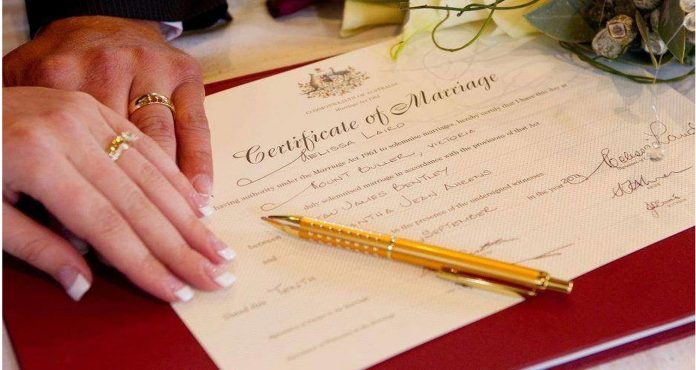
Court marriage registration is one of the most reliable and legally recognized ways for couples to formalize their marriage in India. Unlike traditional weddings that may involve elaborate rituals and ceremonies, a court marriage is conducted under the law and provides legal validity to the relationship. It is an increasingly popular choice among couples who prefer a simple, cost-effective, and legally secure marriage process.
In recent years, the demand for court marriage registration has increased significantly due to greater awareness of legal rights, interfaith marriages, intercaste marriages, and the convenience of government procedures. Whether a couple belongs to the same religion or different faiths, court marriage offers a lawful framework that protects both partners and ensures official recognition of the marriage.
Understanding the registration process, eligibility requirements, documents needed, and legal implications can help couples complete the procedure smoothly. This guide explains everything you need to know about court marriage registration in India according to the current legal scenario in 2026.
What Is Court Marriage Registration?
Court marriage registration is the legal process through which a marriage is solemnized and recorded by a Marriage Registrar under applicable marriage laws. The marriage certificate issued after registration serves as official proof of marriage and is recognized throughout India and internationally for various legal purposes.
Unlike traditional marriages that rely primarily on religious customs, court marriages derive their validity from statutory laws. Couples can obtain legal protection and documentation without conducting elaborate religious ceremonies. Once registered, the marriage certificate can be used for passport applications, visa processing, bank nominations, insurance claims, and other legal requirements.
Legal Framework Governing Court Marriage
In India, most court marriages are conducted under the Special Marriage Act, 1954. This law enables individuals from different religions, castes, or communities to marry legally without changing their faith. It also provides a structured process for marriage registration and legal recognition.
For couples who have already performed a religious marriage ceremony, registration may be completed under the applicable personal marriage laws. However, many couples directly choose court marriage registration under the Special Marriage Act because of its clear legal framework and nationwide recognition.
Eligibility Criteria for Court Marriage Registration
Before applying for court marriage registration, couples must satisfy certain legal conditions. These requirements are designed to ensure that the marriage is lawful and valid.
The groom must be at least 21 years old, while the bride must be at least 18 years old. Both parties must be mentally capable of giving free consent to the marriage. Neither individual should have a living spouse at the time of marriage. Additionally, the parties should not fall within prohibited degrees of relationship unless permitted under applicable customs.
Meeting these eligibility conditions is essential because failure to comply with them may result in rejection of the application or legal complications later.
Documents Required for Court Marriage Registration
Proper documentation plays a crucial role in ensuring a smooth registration process. Authorities verify identity, age, address, and marital status before approving the marriage.
The commonly required documents include:
- Aadhaar Card, Passport, Voter ID, or other identity proof
- Birth Certificate, School Certificate, or Passport as age proof
- Residential address proof of both parties
- Passport-size photographs
- Affidavits regarding marital status and date of birth
- Divorce decree or death certificate, if previously married
Depending on the state or specific registrar office, additional documents may be requested. Therefore, applicants should verify local requirements before submitting their application.
Step-by-Step Procedure for Court Marriage Registration
The process of court marriage registration follows a structured legal procedure. Understanding each stage helps applicants avoid unnecessary delays.
Submission of Notice
The first step involves submitting a notice of intended marriage to the Marriage Registrar. At least one party must have resided within the jurisdiction of the registrar for the prescribed period before filing the notice.
The notice contains essential details of both parties and serves as an official declaration of their intention to marry under the law. After submission, the registrar enters the details into official records.
Publication of Notice
Once received, the registrar publishes the notice for public inspection. This publication allows any person to raise objections if the proposed marriage violates legal requirements.
The notice period is a crucial feature of marriages conducted under the Special Marriage Act. During this period, authorities ensure that the marriage complies with all statutory conditions.
Objection Handling
If an objection is filed, the Marriage Officer investigates its validity. Only legally recognized objections are considered. If no valid objection exists, the process continues without interruption.
Most applications proceed smoothly without objections, provided all information and documents are accurate.
Marriage Solemnization
After completion of the required waiting period, the marriage is solemnized before the Marriage Officer. Both parties and witnesses must be present during this stage.
The couple signs the marriage declaration in the presence of the registrar and witnesses. Upon completion of legal formalities, the marriage becomes officially valid.

Issuance of Marriage Certificate
Following solemnization, the registrar issues a marriage certificate. This certificate serves as conclusive proof of marriage and is often required for legal, financial, and administrative purposes.
Court Marriage Registration Timeline
The following table provides a general overview of the process timeline.
| Stage | Estimated Time |
|---|---|
| Submission of Notice | 1 Day |
| Notice Publication Period | 30 Days |
| Verification and Objection Review | During Notice Period |
| Marriage Solemnization | After 30 Days |
| Marriage Certificate Issuance | Same Day or Within Few Days |
Actual timelines may vary depending on administrative workload and local procedures.
Benefits of Court Marriage Registration
Choosing court marriage registration offers several advantages for modern couples. The process provides legal certainty while reducing the complexities associated with large wedding ceremonies.
A registered marriage certificate acts as strong legal evidence of marital status. It simplifies procedures involving passports, visas, immigration applications, property rights, inheritance matters, and financial transactions. Couples also gain legal protection under marriage laws, ensuring that their rights and obligations are clearly recognized.
Another major benefit is inclusivity. Individuals from different religions, castes, regions, or cultural backgrounds can marry under a common legal framework without facing religious restrictions.
Common Challenges and How to Avoid Them
Although the procedure is straightforward, some applicants experience delays due to incomplete documentation or incorrect information. Ensuring that all documents are valid and up-to-date significantly reduces the chances of rejection.
Applicants should carefully verify spellings, addresses, dates of birth, and identification details before submission. Differences between documents can trigger verification issues and prolong the registration process.
It is also important to arrange qualified witnesses in advance. Witnesses must provide valid identification and be physically present on the date of solemnization.
Situations Where Court Marriage Registration Is Especially Useful
Certain circumstances make court marriage registration particularly beneficial. Couples planning international travel or immigration often require an officially recognized marriage certificate. Similarly, intercaste and interfaith couples frequently choose court marriage because it offers a neutral legal process.
Court marriage is also preferred by working professionals who seek a simple and efficient method of legalizing their relationship without extensive ceremonial arrangements. In urban areas, many couples opt for registration due to convenience, affordability, and legal transparency.
Rights Obtained After Marriage Registration
Once the marriage is registered, both spouses gain legal rights and responsibilities under applicable laws. These rights include inheritance claims, maintenance rights, property-related protections, and legal recognition as husband and wife.
The marriage certificate can also be used as documentary evidence when updating official records, changing names after marriage, applying for dependent visas, or accessing spousal benefits. Because of these advantages, completing court marriage registration is an important step for couples seeking long-term legal security.

Important Tips Before Applying
Before starting the registration process, couples should keep a few practical considerations in mind:
- Verify age and eligibility requirements beforehand.
- Keep multiple copies of all supporting documents.
- Ensure witness availability on the scheduled date.
- Double-check application details before submission.
- Preserve the original marriage certificate safely after issuance.
Proper preparation can save considerable time and help avoid administrative complications.
FAQs
Is court marriage registration valid throughout India?
Yes. A marriage certificate issued through a legally recognized registration process is valid across India. It serves as official proof of marriage for legal, financial, and administrative purposes.
Can people from different religions apply for court marriage registration?
Yes. The Special Marriage Act allows individuals belonging to different religions to marry legally without changing their faith. This is one of the primary reasons many couples choose court marriage.
How many witnesses are required for court marriage?
Generally, three witnesses are required during the solemnization process. They must carry valid identification documents and be present before the Marriage Officer.
What happens if someone objects to the marriage?
If a legal objection is filed, the Marriage Officer investigates the matter. The marriage proceeds if the objection is found to be invalid or unsupported by law.
Is a marriage certificate mandatory after court marriage?
Yes. The marriage certificate is the official record of the marriage and serves as legal proof for various personal, legal, and governmental purposes.
Can a couple register a marriage after a traditional wedding?
Yes. Couples who have already performed a religious marriage ceremony can usually register their marriage under applicable laws, subject to document verification and procedural requirements.
Conclusion
Court marriage registration is a legally secure and increasingly popular option for couples seeking official recognition of their relationship. The process is transparent, accessible, and designed to protect the rights of both spouses. By meeting eligibility requirements, preparing the necessary documents, and following the prescribed procedure, couples can complete the registration smoothly and obtain a legally valid marriage certificate.
In today’s legal environment, court marriage registration provides more than just documentation—it offers certainty, protection, and recognition that can be valuable throughout married life. Whether the marriage is between individuals of the same community or different backgrounds, registration remains one of the most important steps toward establishing a legally recognized union in India.
Read More:-Original Court Marriage Certificate: Quick Legal Guide